
Search “concrete sealing Geelong” and you will find plenty of results talking about sealers, the traditional kind you reapply every year or two as they wear thin and let moisture back in. For a warehouse or factory floor, that approach is already outdated. Here is what concrete sealing actually needs to achieve in a commercial space, and why a properly installed epoxy system does the job a traditional sealer cannot.
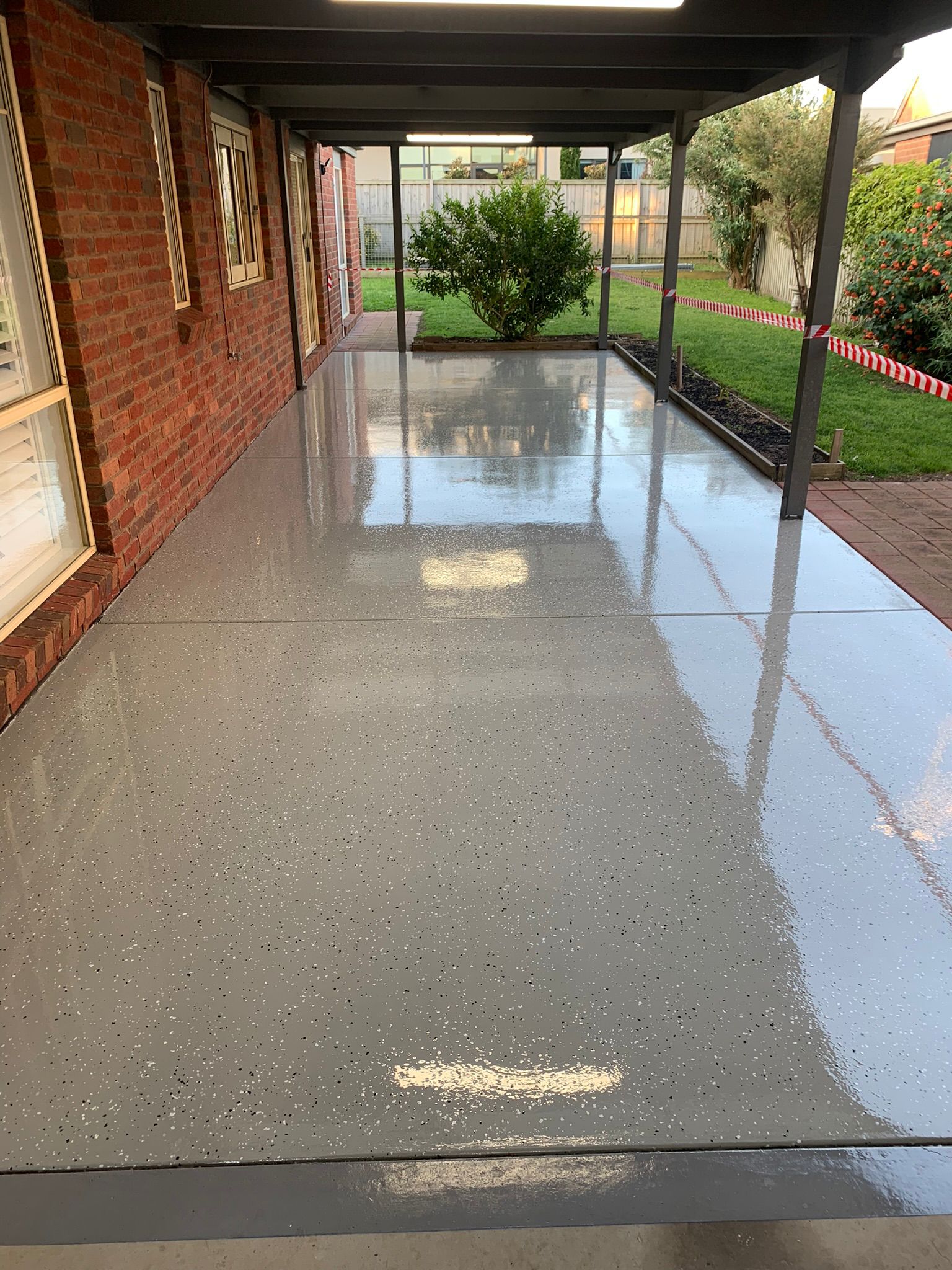
What “Concrete Sealing” Actually Means for a Warehouse or Factory
A sealed concrete floor is supposed to resist moisture, oil, chemicals and abrasion without breaking down under daily traffic. Traditional penetrating or topical sealers do this for a while, but they wear thin fast under forklift traffic, pallet jacks and constant foot traffic, and need reapplying regularly to keep working. In a working warehouse, that means repeat downtime for resealing, every year or two, indefinitely.
Why Epoxy Outperforms a Traditional Sealer
An epoxy coating system does everything a concrete sealer is meant to do, moisture resistance, chemical resistance, dust suppression, but builds a much thicker, harder film that does not wear through in the same way. Where a sealer soaks in and thins out over time, a properly installed epoxy system stays intact under heavy traffic for years, not months.
- Moisture and vapour resistance – keeps ground moisture from lifting through the slab
- Chemical and oil resistance – genuinely holds up to spills, not just water
- Dust suppression – seals the porous surface that generates concrete dust under traffic
- Wear resistance – built for forklifts and pallet jacks, not just foot traffic
Warehouse Floor Sealing: What to Get Right
Warehouse floors deal with constant wheeled traffic, dropped stock, and often chemical or fuel exposure. Sealing a warehouse floor properly means proper diamond grinding first (a sealer or coating applied over an unprepared slab fails early, no matter how good the product is), then a commercial-grade epoxy system built to the traffic load the floor actually carries.
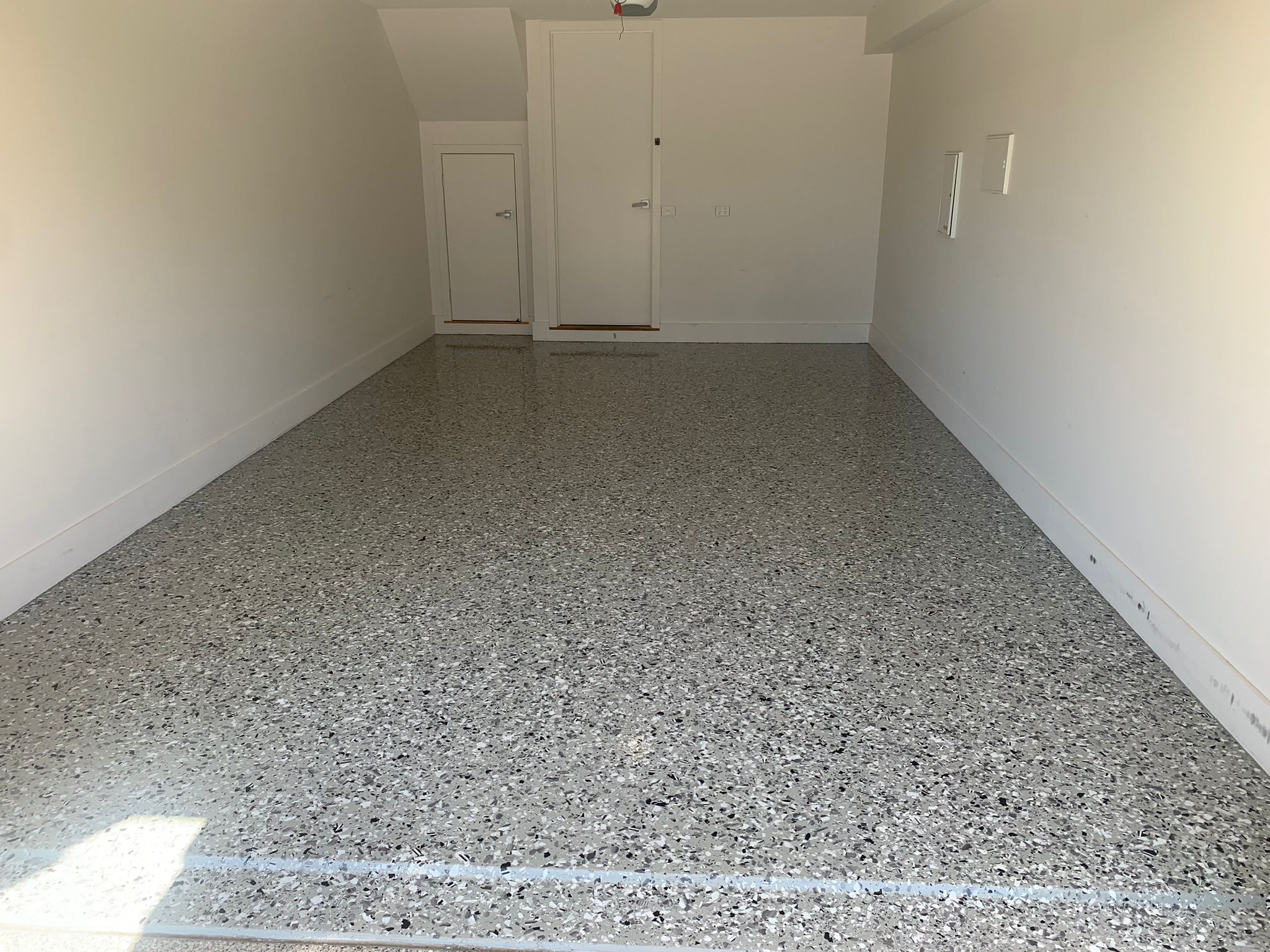
Factory Floor Sealing: What Changes
Factory floors add heat cycling near machinery, more consistent chemical exposure, and often stricter hygiene or safety requirements depending on what is manufactured on site. The sealing system needs to account for these conditions specifically, not just be a generic warehouse spec applied without adjustment.
Do You Need Sealing or Full Epoxy Coating?
If the floor is in reasonable condition and just needs protection going forward, a full epoxy system is the better long-term investment over repeat sealer reapplication. If the slab itself has damage, cracking, or significant wear, grinding and coating addresses both the surface condition and the sealing requirement in one job rather than treating them separately. For a broader look at commercial flooring costs and what drives them, see our guide to commercial and warehouse epoxy flooring in Geelong.
Minimising Downtime
Sealing or coating a working warehouse or factory floor does not have to mean shutting down for a week. Jobs can be scheduled after hours or across a closure day so the floor is ready before the next shift, this gets locked in at the quote stage.
Servicing Warehouses and Factories Across Greater Geelong
We work with businesses throughout Geelong CBD, Newtown, Geelong West, North Geelong, Belmont, Highton, Waurn Ponds, Grovedale, Armstrong Creek, Charlemont, Marshall, Lara, Corio, Norlane and surrounding industrial areas.
FAQs
How often does a traditional concrete sealer need reapplying?
Typically every one to two years under light use, and considerably more often under warehouse or factory traffic. This is the main reason most commercial sites move to a full epoxy system instead.
Can you seal a factory floor with machinery still in place?
In most cases yes, we work around fixed equipment and schedule the job in stages if needed. This gets discussed at the quote stage.
Does concrete sealing stop dust in a warehouse?
Yes, a properly sealed or coated floor stops the surface-level dusting that untreated or worn concrete produces under traffic.
Is epoxy coating more expensive than traditional sealing?
The upfront cost is higher, but a traditional sealer needs repeat reapplication every year or two. Over a few years, epoxy is usually the cheaper option once you account for that repeat cost and the downtime each reapplication causes.