
Quick answer: If you want colour, texture, and a floor that hides everyday marks, flake flooring wins. If you want a clean single-tone look at the lowest cost, plain epoxy does the job. If you already have good concrete and want a natural industrial finish with no coating at all, polished concrete is the option — but it won’t grip as well underfoot when wet.
Three Geelong homeowners can ask for the exact same garage and end up with three completely different floors, because “epoxy” gets used as a catch-all term for finishes that behave very differently in daily use. Here’s how the three actually compare, so you’re choosing based on what suits your space, not just whatever a supplier happens to stock.
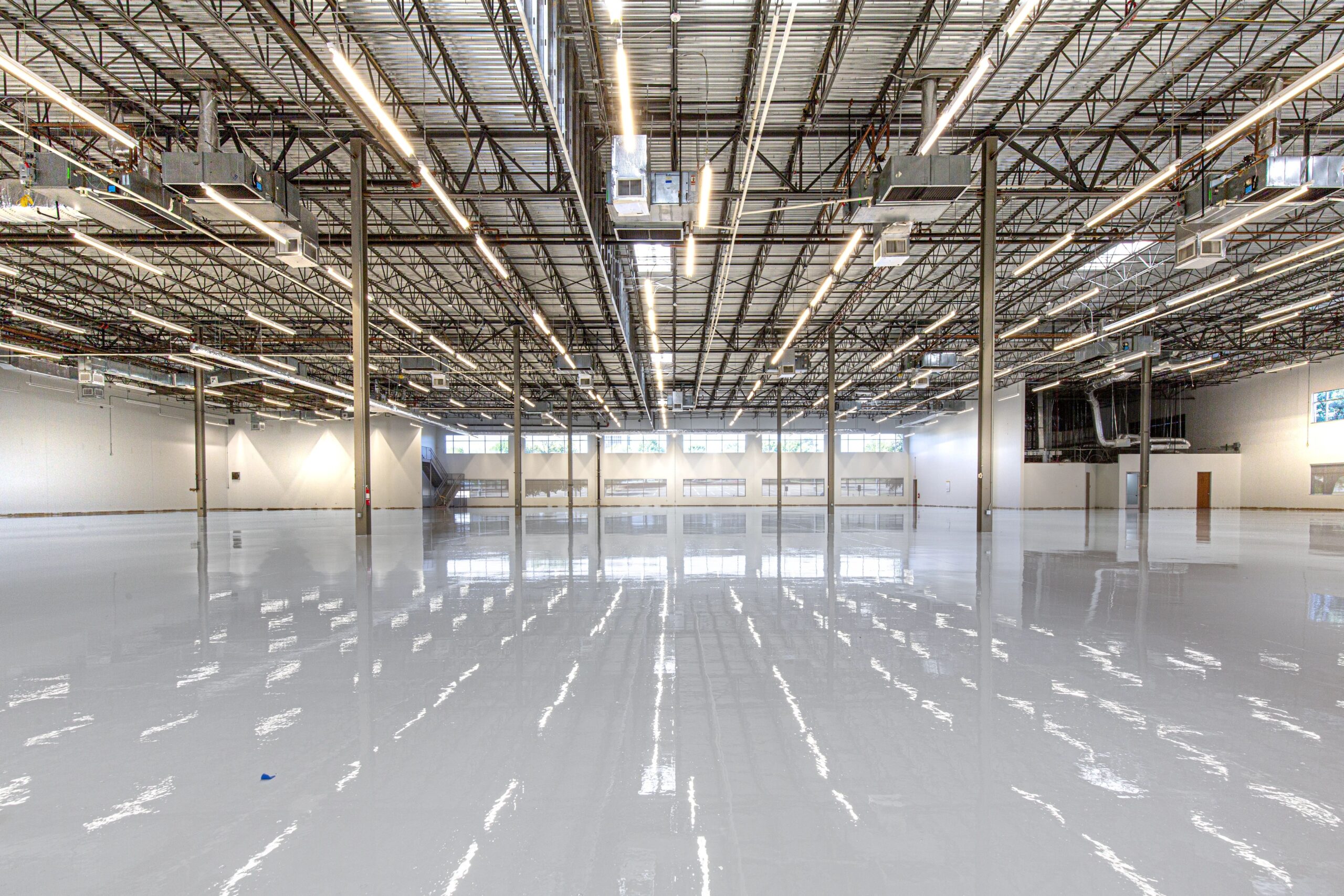
Flake Flooring
Flake flooring is an epoxy base coat with decorative vinyl chips broadcast across it, then sealed under a clear topcoat. The chips give the surface real texture and a mottled, terrazzo-style look.
Best for: Garages, workshops, and any space where you want the floor to look finished and hide dust, tyre marks, and light scuffs between cleans.
Trade-off: Costs more than plain epoxy because of the extra broadcast and topcoat steps, and colour choice needs to happen upfront since it can’t easily be changed later.
Plain Epoxy
Plain epoxy is a solid-colour coating with no chips — just the base coat and a protective topcoat, giving a smooth, uniform, glossy finish.
Best for: Budget-conscious jobs, internal areas that aren’t heavily used, or anyone who wants a clean single-colour look rather than a speckled pattern.
Trade-off: Every scuff, tyre mark, and bit of dust shows up immediately against a flat colour. It also has less texture underfoot than a flake finish, so grip is slightly lower.
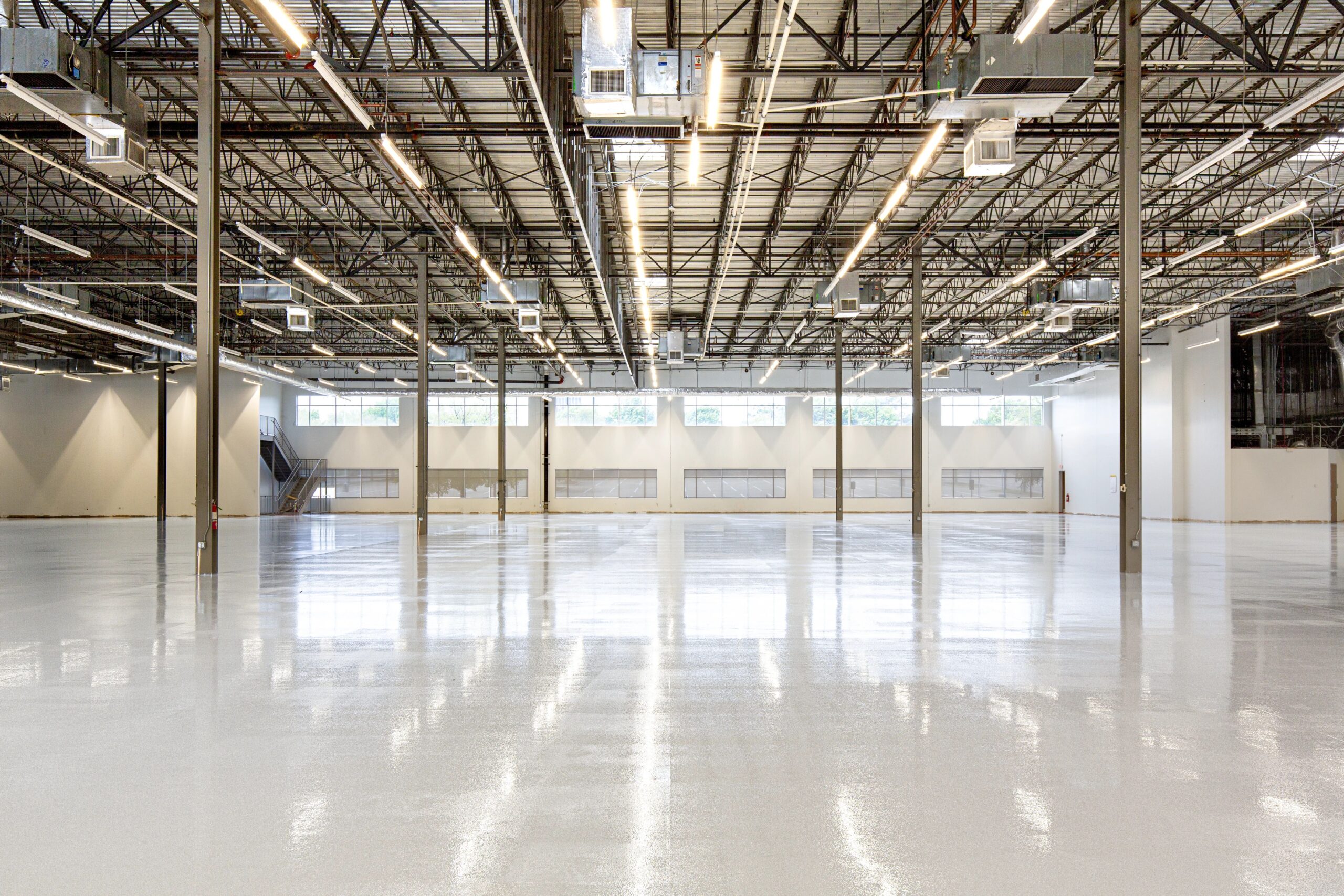
Polished Concrete
Polished concrete isn’t a coating at all — it’s your existing slab mechanically ground and polished to a smooth, semi-gloss finish. Nothing is applied on top.
Best for: Slabs that are already in good condition, and homeowners who want a natural, industrial look without any coating layer to maintain or eventually recoat.
Trade-off: Polished concrete is more slippery than either epoxy option when wet, and it won’t hide staining or cracks in the underlying slab the way a coating does. It also can’t fix a slab with surface damage — grinding only exposes what’s already there.
Side-by-Side Comparison
| Factor | Flake Flooring | Plain Epoxy | Polished Concrete |
|---|---|---|---|
| Hides everyday marks | Yes, very well | No | No |
| Grip when wet | Good, textured | Moderate | Low, can be slippery |
| Typical cost | Higher | Lower | Depends on slab condition |
| Fixes a damaged slab | Yes, coating covers it | Yes, coating covers it | No, exposes what’s there |
| Best suited for | Garages, workshops, high-use spaces | Budget jobs, low-traffic areas | Good existing slabs, industrial look |
Which One Should You Choose?
Ask yourself these questions before deciding:
Is your slab already in good condition, or does it have cracks and staining? If your concrete has visible damage, either epoxy option covers it. Polished concrete will show every flaw, because it’s polishing what’s already there.
How much daily wear will the floor see? A garage or workshop that sees cars, tools, and foot traffic every day benefits from flake flooring’s ability to hide marks between cleans. A low-traffic space can get away with plain epoxy.
What’s your budget? Plain epoxy is the most cost-effective coating option. Flake flooring costs more upfront but needs less frequent attention to look presentable day to day.
The Bottom Line
There’s no universally “best” option here — it depends on your slab, your budget, and how the space gets used. Flake flooring is the right call for most Geelong garages and workshops because it looks finished and stays looking that way with minimal effort. Plain epoxy suits tighter budgets and lower-traffic spaces. Polished concrete works when your existing slab is already solid and you want a coating-free, industrial finish.
If you’re not sure which fits your floor, Joe can assess your concrete in person and give you a straight answer — not just whichever option is easiest to sell.
Not Sure Which Finish Suits Your Floor?
Get a free on-site assessment and straight advice from Joe.