
Quick answer: Cellar doors and winery production floors face a combination most flooring never has to survive at once — wine tannin staining, constant washdown, forklift and barrel-trolley traffic, and a finish that still has to look good enough for tasting-room visitors. A hybrid epoxy or polyaspartic system, laid with proper falls to drainage, handles all four. Here’s what actually matters for wineries around Geelong and the Bellarine.
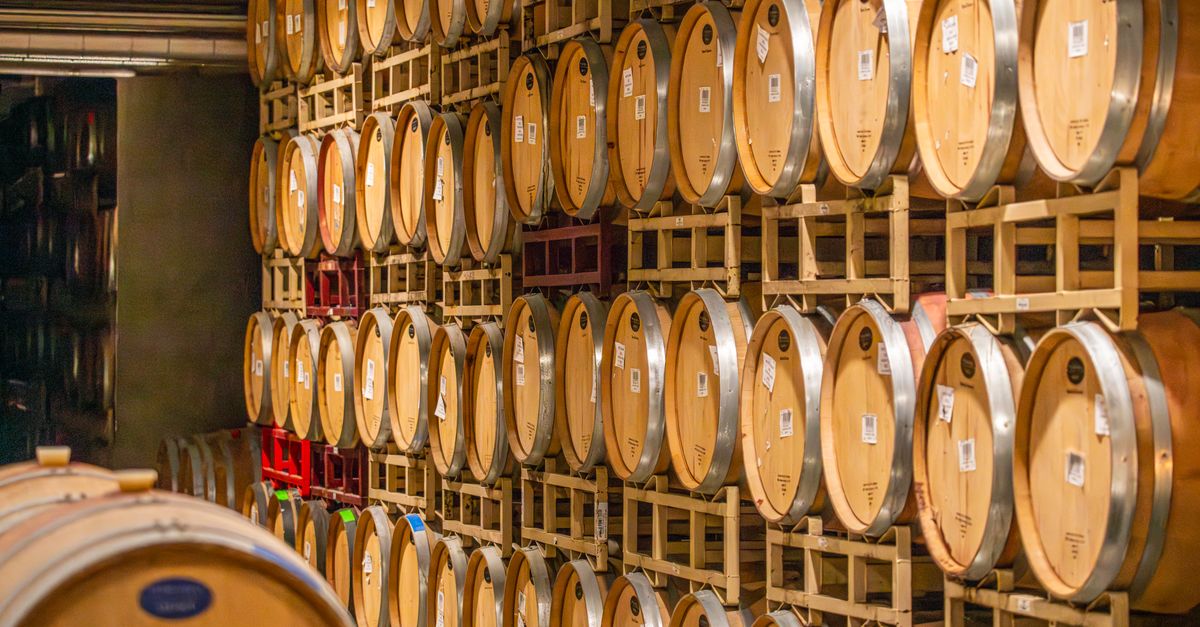
Why Winery Floors Are a Different Problem
The Bellarine Peninsula and greater Geelong region is home to a genuinely large cluster of boutique wineries and cellar doors, and most of them are working with the same original concrete slab the shed or barn was built on decades ago. That slab was never designed for what a working winery actually does to a floor.
Between vintage season and daily cellar door trade, a winery floor deals with:
- Tannin and must staining from crushed grapes and wine spillage, which soaks into raw or poorly sealed concrete and darkens permanently
- Acidic washdown from daily cleaning routines, since wine production areas get hosed and scrubbed far more often than a typical commercial space
- Heavy point loads from barrels, pallet jacks, and forklifts moving fruit bins and cases, which crack or pit unprotected concrete over a few vintages
- A dual-use expectation — the same floor, or an adjoining one, often needs to look presentable for cellar door visitors, not just function as a production surface
Why Standard Sealers Fall Short Here
A basic penetrating sealer might slow staining for a season, but it doesn’t stand up to the combination of acidic spillage and constant mechanical traffic that a working winery floor sees. Once wine gets into hairline cracks or worn sealer patches, the staining is effectively permanent, and by that point you are looking at grinding and starting over rather than a simple reapplication.
What Actually Works: Hybrid Epoxy & Polyaspartic Systems
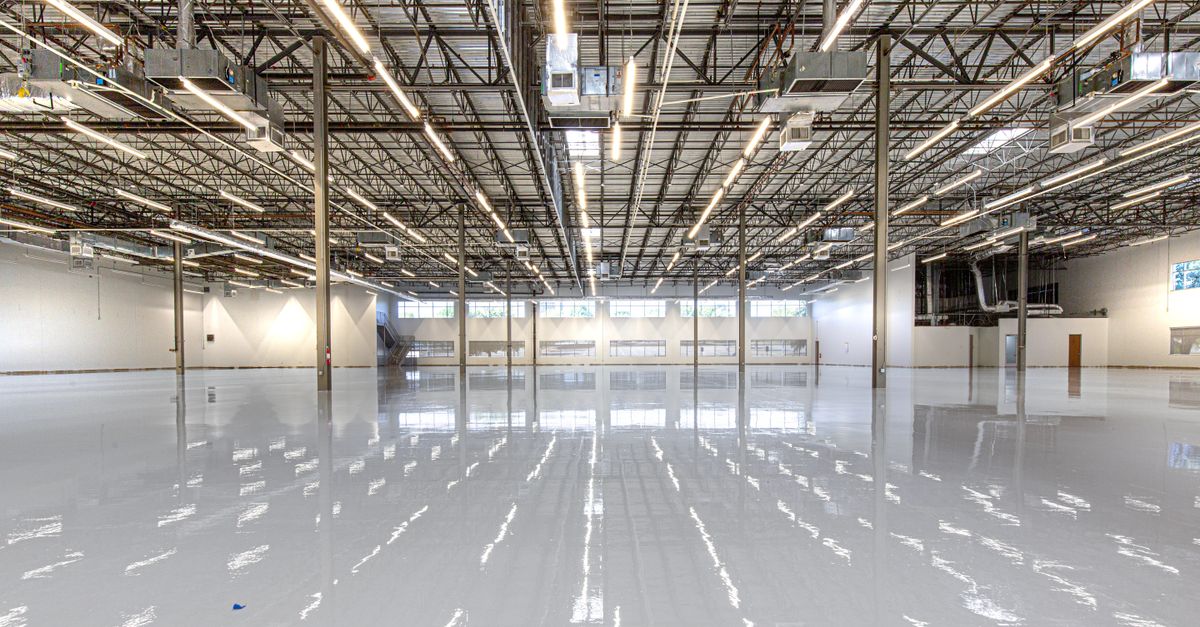
For production and barrel storage areas, a fully bonded epoxy or polyaspartic coating system creates a seamless, non-porous surface that wine simply cannot stain, because there’s no exposed concrete pore structure left for it to soak into. Key considerations for a winery-specific install:
- Chemical resistance — the coating needs to handle both acidic wine contact and the caustic or acid-based cleaning agents used in washdown, without degrading or discolouring
- Correct falls to drainage — production floors need to be laid, or corrected, with a proper fall to floor drains so washdown water and spillage don’t pool
- Slip resistance — floors that get wet daily need an appropriate texture or aggregate broadcast, not a high-gloss finish that turns hazardous the moment it’s hosed down
- Impact and point-load tolerance — barrel movement and forklift traffic need a coating system with real film thickness and hardness, not a thin cosmetic layer
- Presentation for dual-use spaces — cellar doors that open directly off production areas often want a decorative flake or metallic finish that still meets the functional requirements above
Planning Around Vintage Season
Timing matters more for wineries than almost any other commercial client. Coating installation needs proper cure time before the floor goes back into full use, which makes the post-vintage, pre-next-season window (typically autumn through winter in this region) the practical time to plan the work, rather than trying to fit it in during harvest and crush.
The Bottom Line
A winery or cellar door floor around Geelong and the Bellarine is being asked to do two jobs at once: survive a genuinely harsh production environment and still look the part for visitors. Standard sealers and DIY coatings weren’t built for that combination. A properly specified epoxy or polyaspartic system, installed with the right falls, texture, and chemical resistance, is a one-time investment that removes the staining and cracking problem for good.
Planning Flooring Work Before Next Vintage?
We work with wineries and cellar doors across Geelong and the Bellarine on production floor coatings built to handle staining, washdown, and heavy traffic.