
Quick answer: Sealing a concrete driveway helps block stains, moisture and weather wear, and it makes the surface easier to keep clean. It works best on a sound, clean, dry driveway. If the concrete is cracked, badly stained or flaking, a sealer will not fix it, and a restoration or coating is usually the better option.
A driveway takes a beating. Sun, rain, tyres, oil drips, leaf stains and the odd dropped tool. Concrete looks tough, but it is porous, and that is why an unsealed driveway slowly goes dark, patchy and tired.
Sealing is one way to slow that down. Here is what it does, what it does not do, and how to choose between sealing and coating.
What Does a Driveway Sealer Actually Do?
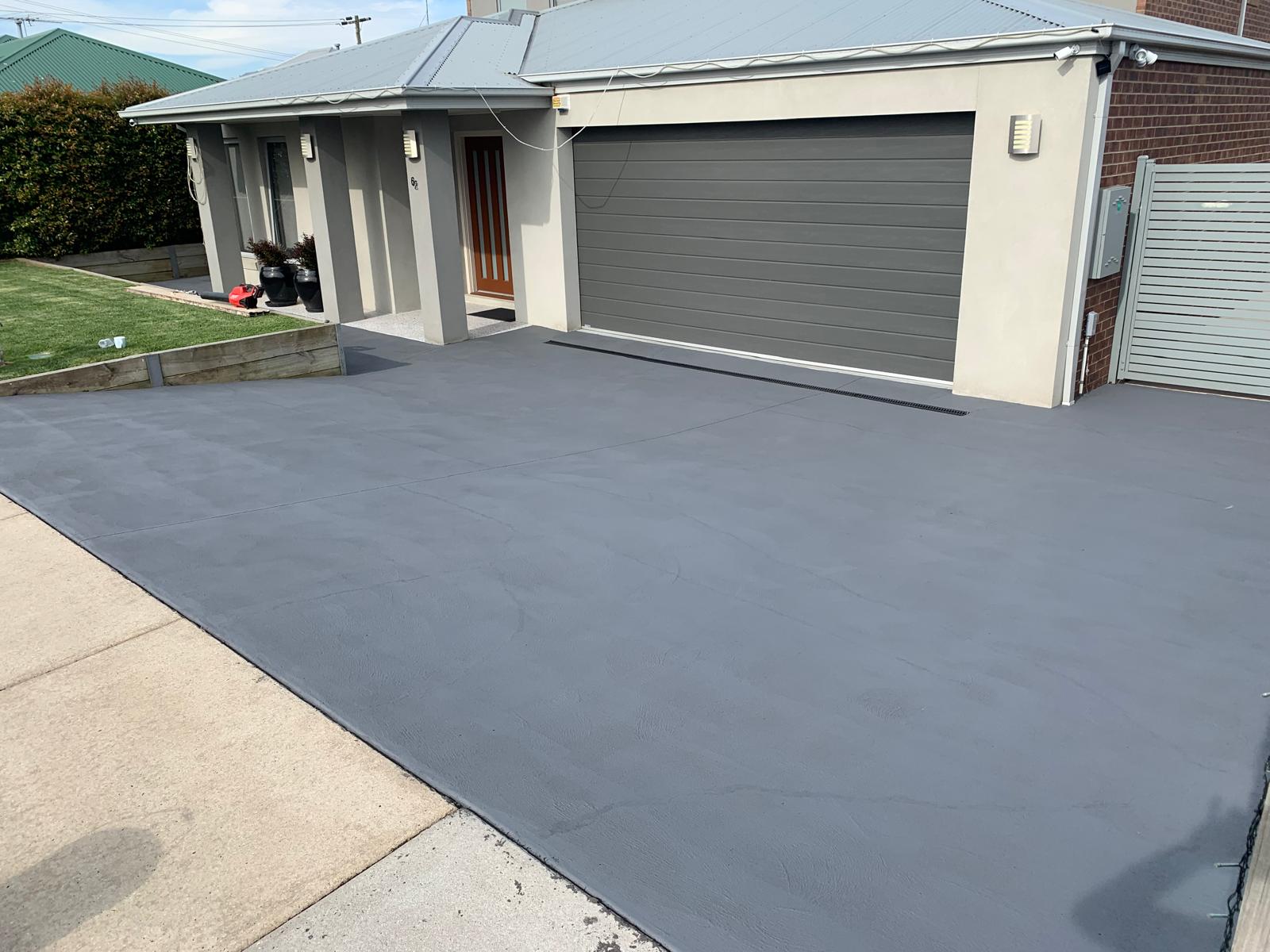
A sealer protects the surface of the concrete so it takes in less water and fewer stains. Depending on the product, it can also deepen the colour, add a subtle sheen and make the surface easier to hose or sweep clean.
What it does not do is repair damage. It will not close cracks, level an uneven slab or remove stains that are already deep in the concrete.
Is Your Driveway a Good Candidate for Sealing?
- The concrete is sound. No crumbling, flaking or major cracks.
- It is clean. Dirt, algae and oil have been properly cleaned off first.
- It is dry. Moisture trapped under a sealer causes problems later.
- You want protection, not a new look. Sealing keeps the existing finish. It does not change colour.
Sealing vs Coating vs Restoration
| Option | Best for | Limits |
|---|---|---|
| Sealer | Sound, clean driveways that need protection | Does not hide damage or change colour |
| Protective coating | Tired or stained driveways that need a fresh finish | Needs proper surface prep to last |
| Restoration (clean, repair, then coat) | Cracked, patchy or weathered driveways | More work, but the longest-lasting result |
Not sure where your driveway sits? Our guide on driveway cracks: repair, resurface or full coating goes through the options.
Why Prep Decides How Long a Sealer Lasts
Most sealer failures are prep failures. A sealer applied over dirt, algae or moisture will not bond properly, and it can go cloudy, peel or wear in patches.
A proper job starts with a clean. That means professional pressure washing, and sometimes light grinding where there is an old coating or rough patch. See why grinding comes first when the surface needs more than a wash.
Signs It Is Time to Seal (or Reseal)
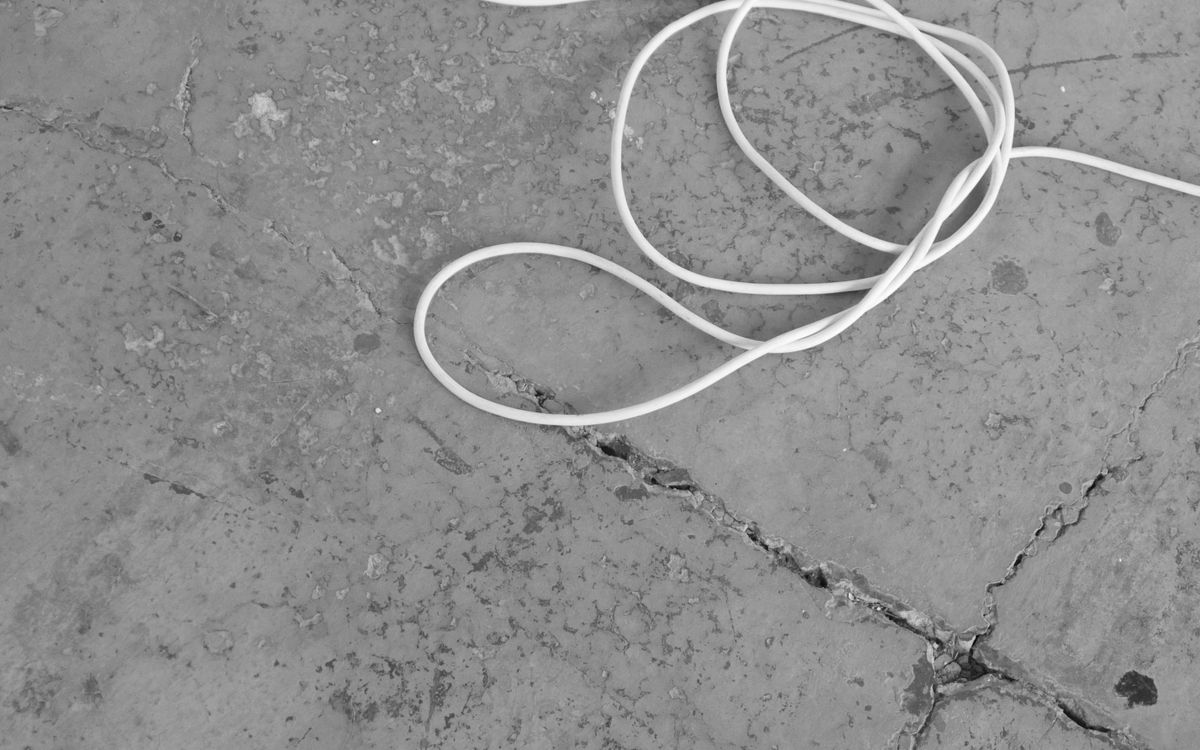
- Water soaks in instead of beading. Splash some water on the surface. If it darkens the concrete quickly, protection has worn off.
- Stains are setting in. Oil, leaf marks and tyre marks are harder to clean.
- The surface looks dull and patchy. Especially in high-traffic wheel tracks.
- Moss or algae keeps coming back. Often a sign the surface is holding moisture.
- The surface feels rough or dusty. A sign the top layer is breaking down.
Common Mistakes to Avoid
- Sealing a wet or damp driveway
- Skipping the clean because it “looks fine”
- Sealing over cracks and expecting them to disappear
- Applying too thick a layer in one go
- Using a sealer that does not suit the surface or the traffic it gets
How Much Will It Cost?
There is no honest flat price, because the cost depends on the size of the driveway, its condition, the prep needed and the finish you choose. The quickest way to get a real number is a quick look at the driveway. See our driveway restoration service for what is involved.
Frequently Asked Questions
How long does driveway sealing take?
The sealing itself is usually quick. Cleaning, drying and any repairs beforehand take most of the time.
Can I seal over an old sealer?
Sometimes. It depends on what is already there and what condition it is in. Old or failing sealer often needs to be removed first.
Will sealing make my driveway slippery?
It can, depending on the product and finish. Slip resistance should be part of the conversation, especially for sloped driveways.
Is sealing the same as epoxy coating?
No. A sealer protects the surface. A coating adds a new layer with its own colour and finish.
Do you work on the Bellarine as well as Geelong?
Yes. We service Geelong and the Bellarine.
Not Sure Whether to Seal or Coat?
Joe can look at your driveway and tell you straight whether sealing is enough, or whether a restoration will save you money in the long run.
Your quote request has been received.
Our team will get back to you shortly.