
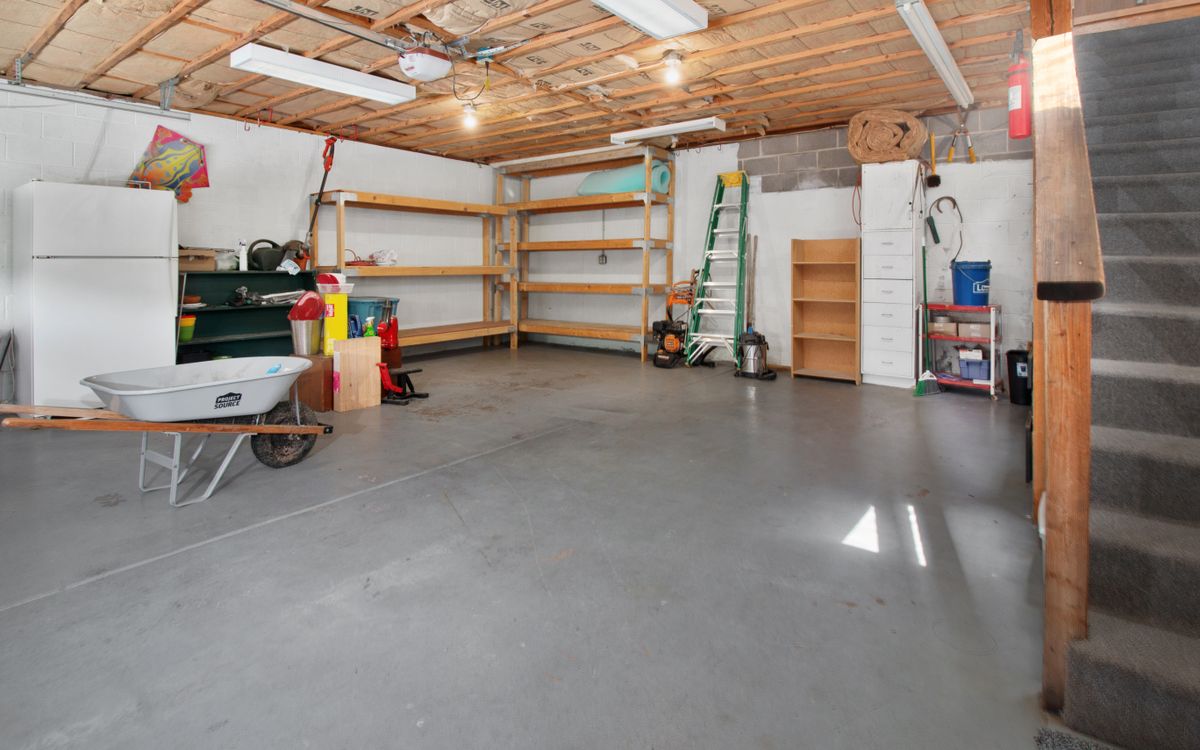
Quick answer: For a mechanical workshop or auto shop in Geelong, the best floor is usually a chemical-resistant epoxy system laid over a properly ground slab, often with a light flake for grip. It stops oil and coolant soaking in, wipes clean quickly and handles hoists, jacks and constant foot traffic. Small commercial floors up to about 200 m² typically cost roughly $6,000 to $15,000, depending on prep and the system chosen.
Picture a Tuesday morning in a Geelong workshop.
A ute is up on the hoist. Oil is dripping onto a spot that has been stained for years. A customer walks through the bay in clean shoes and slips on something shiny. At the end of the day, someone spends 20 minutes with a degreaser and a broom, and the floor still looks tired.
That floor is working against you. It makes the shop look run-down, it slows your cleanup and it can be a safety problem. This guide shows what a workshop floor faces, what to put on it and how to do the job without shutting the doors for a week.
What a workshop floor really goes through
A trade floor takes a beating bare concrete was never designed for. In a typical auto or mechanical shop, it deals with:
- Oils and coolants that soak into the slab and leave stains
- Brake fluid, solvents and cleaners that can attack weak coatings
- Heavy point loads from hoist feet, jacks, stands and tool chests
- Hot tyres and constant wheel traffic
- Dust and grit that wears the surface and gets tracked everywhere
Plain concrete soaks all of this up. A coated floor seals it out.
What to look for in a workshop floor system
Chemical resistance
Not every epoxy handles every product. Tell us which fluids and cleaners you use, so we can specify a system that is made for them. Different products suit different shops.
Thickness and impact resistance
Hoists and jacks put huge pressure on a small area. A thicker build system spreads that load and resists chipping. This is where a thin garage-grade coat will not last.
Slip resistance
Oily floors are slippery floors. A light flake or an anti-slip additive gives you grip around bays and walkways without making the floor hard to clean.
A topcoat that suits your doors
If your roller doors are open much of the day, sun hits the floor. A polyurethane or polyaspartic topcoat helps stop yellowing. Our epoxy flooring service covers the range of options.
Prep is where workshop floors are won or lost
Workshop slabs are rarely clean. Old oil sits deep in the concrete. Cracks have been patched. Previous paint or sealer may still be there.
All of that stops a coating bonding. So every job starts with diamond grinding to remove the weak top layer, repair cracks and open the slab. Heavy oil contamination needs to be treated before anything goes on top, or the new floor can lift later. If a previous coating is already failing, our guide on why epoxy floors peel and bubble shows the usual causes.
How much does a workshop floor coating cost in Geelong?
Ballpark figures for professionally installed systems in 2026:
- Solid colour epoxy: roughly $45 to $75 per m²
- Heavy-duty polyurethane or industrial systems: roughly $120 to $250 per m²
- Small commercial or workshop floor, up to about 200 m²: roughly $6,000 to $15,000
Your actual price depends on the slab condition, the area, how much repair and grinding is needed, and the system you choose. See the full epoxy flooring cost per square metre guide for more.
Keeping the shop running during the job
Time off the tools is money lost. The good news is that work can usually be planned around your business.
- Stage it. Coat one bay while the others stay working.
- Use quiet times. Ask us about after-hours or weekend scheduling.
- Know the cure times. Foot traffic is typically back sooner than vehicles and heavy loads. We will give you the exact timeline for your system.
- Clear what you can. The less we work around, the faster the floor goes in.
Safety and layout
A good floor is also a safety tool. Clear marking for bays, walkways, exits and parts storage keeps people and vehicles apart. Read our line marking guide for ideas. Your workplace safety obligations are your own, so check the requirements for your business and talk to us about the right finish.
If your site is a larger industrial unit, see our guide for Geelong industrial and trade businesses. For heavy plant, read about asset protection coatings.
How to choose a flooring contractor
Ask what the quote includes. Check that grinding, crack repair and oil treatment are in the price. Ask how thick the system is and what topcoat goes on. Our checklist for choosing a flooring company lists the questions worth asking.
Frequently asked questions
What is the best floor coating for an auto workshop?
A chemical-resistant epoxy system over a ground slab, often with a light flake for grip. The right build depends on your fluids, loads and traffic.
Can you coat a workshop floor with old oil stains?
Usually yes, but oil in the concrete has to be treated first. We assess the slab on site before recommending a system.
Will hoists and jacks damage the coating?
A thicker, professionally installed system is built to handle point loads. Thin garage-grade coatings are more likely to chip and wear under them.
How long does a workshop floor coating last?
With good prep and the right system, commonly 10 to 20 years, depending on traffic and maintenance. See our lifespan guide.
Can you work around my business hours?
Ask us when you enquire. We can talk through staging and timing so the job fits your operation.
Need a tougher floor for your Geelong workshop?
Tell us about the space, your fluids and your traffic. We will give you a straight answer on the best system and the price. No pressure.
Call Joe on 0433 249 998 or request a quote below.
Your quote request has been received.
Our team will get back to you shortly.