
Quick answer: When an epoxy floor peels, bubbles or lifts, the epoxy is rarely the real problem. In most cases the slab was not prepared properly, moisture is coming up through the concrete, or the coating was applied in the wrong conditions. Small patches can often be repaired. Widespread peeling usually means the floor needs to be ground back and recoated.
Picture a Sunday morning in Newtown. You reverse the car out of the garage and notice a patch near the roller door where the floor coating has lifted like a bad sticker. A few months earlier it looked brilliant.
It is one of the most common calls we get from Geelong homeowners and business owners. Here is what actually goes wrong, how to tell the causes apart, and what to do about it.
Why epoxy floors fail (it is usually the slab, not the epoxy)
Epoxy is very strong once it bonds to concrete. But it only holds as well as the surface underneath it. If the bond is weak, the coating peels. If moisture or air gets trapped, it bubbles. If the slab moves, it cracks.
Almost every failure we see falls into one of the causes below.
1. The slab was not ground properly
This is the number one cause. Concrete has a thin, weak surface layer along with dust, oil, curing compounds and old sealers. If that layer is not removed, the epoxy bonds to the dirt instead of the concrete.
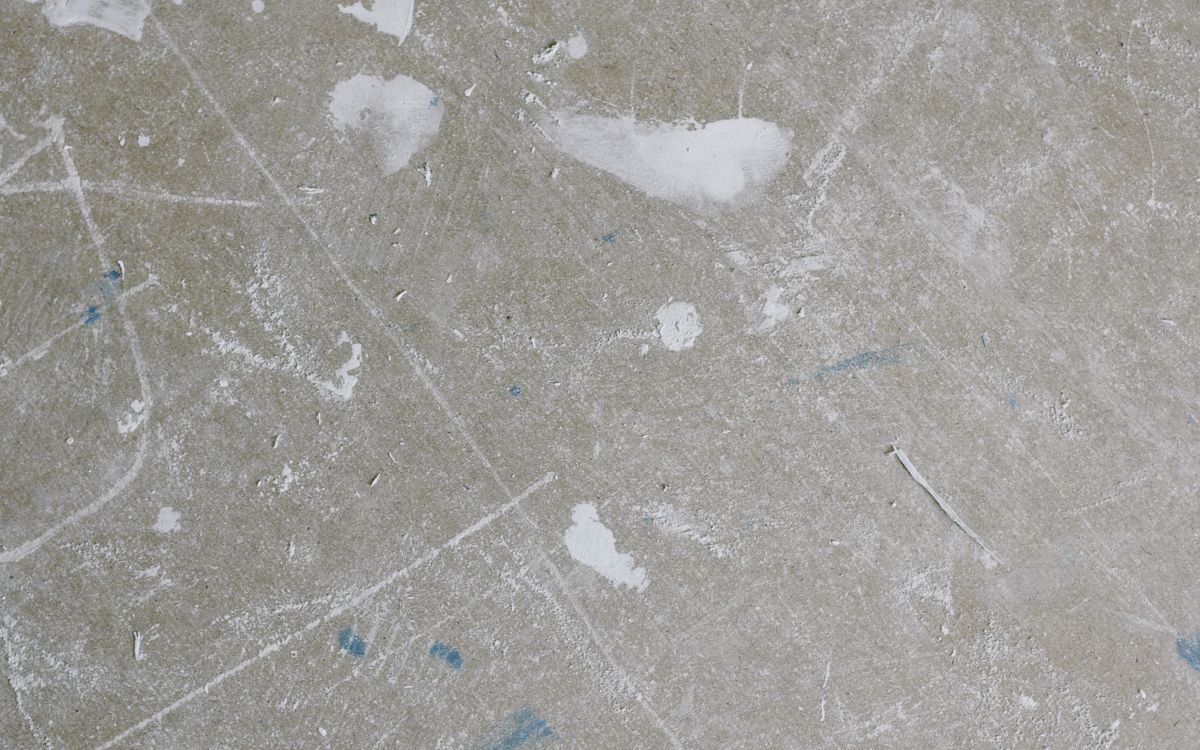
What it looks like: large sheets of coating peeling away, often in areas that see the most traffic. The underside of the peeled piece is smooth and clean, and the concrete below looks polished or dusty.
Common with: hardware store kits and quick acid-etch jobs. Etching does not give the rough profile that diamond grinding does. If you want to know why we grind every floor first, read our guide on why grinding comes first.
2. Moisture is coming up through the concrete
Concrete is porous. If water vapour moves up through the slab, it pushes against the coating from underneath. Over time it breaks the bond.
Many older slabs were poured without a proper moisture barrier, and even newer slabs can hold water if the ground around the garage is wet or poorly drained.
What it looks like: round blisters, a milky or cloudy patch, or peeling that starts near the edges, door thresholds or low spots where water collects.
The fix: test the slab before coating. A moisture test takes little time and can save you a full redo. If moisture is high, the slab needs a moisture-tolerant primer system or the source of the water needs to be fixed first.
3. Hot tyre pick-up
You park after a long drive on a hot Geelong afternoon. The tyres are hot, the coating is warm, and when you drive out the next day, the tyre has pulled a strip of coating off with it.
Hot tyres soften some coatings, especially thin ones, and lift them if the bond is weak. Cheap kits are the most likely to fail this way. Professional-grade systems are built to handle it.
What it looks like: marks, ridges or missing coating exactly where the tyres sit.
4. Bubbles and pinholes
Small bubbles and pinholes across a floor usually point to application conditions.
- Air escaping from the concrete. If epoxy is applied while the slab is warming up during the day, air rises out of the concrete and gets trapped in the wet coating. Applying in the right temperature window prevents this.
- Coating applied too thick, too fast. Thick coats can trap air or solvent.
- Roller technique and mixing. Over-mixing whips air into the resin. Poor rolling leaves it behind.
Pinholes are often cosmetic. Large blisters that lift are a bond problem and need repair.
5. Cracks reflecting through the coating
Epoxy is hard and rigid. If a crack in the slab is still moving, it will telegraph through the coating over time. Cracks from settlement, tree roots or heavy loads are the usual culprits.
Hairline cracks are often just cosmetic. Wider cracks should be routed out and filled with a flexible repair product before coating. If a crack keeps growing, it needs a structural look, not just a new coating. Our post on concrete cracks in Geelong explains the options.
6. Yellowing and chalking in the sun
This is not peeling, but people often mix it up. Standard epoxy is not UV stable. In a garage with a lot of sun through the roller door, or on an outdoor area, it can yellow or turn chalky over time. A UV-stable topcoat, such as polyaspartic or a suitable polyurethane, prevents this.
Can a failed epoxy floor be repaired?
| What you see | Likely fix |
|---|---|
| One small lifted patch, dry slab | Grind the area back, feather the edges and patch coat |
| Bubbles or blisters in a few spots | Test for moisture, remove the blisters, repair and recoat |
| Peeling across wheel tracks or large areas | Remove the coating, grind the slab and recoat |
| Moisture problem confirmed | Fix the source, then use a moisture-tolerant system |
| Cracks reopening | Route, fill with a flexible product, then recoat |
Be careful with quick fixes. Rolling a new coat over a peeling floor just hides the problem for a few weeks. If the old coating is loose, the new one will fail with it.
How to avoid it next time
Ask any installer these five questions before you book:
- Will you diamond grind the whole slab, or just etch it?
- Do you test for moisture before coating?
- What primer and system are you using, and why is it right for this slab?
- How do you handle cracks and joints?
- What does your warranty actually cover?
A confident installer will answer these without fuss. If you get vague replies, keep looking. Our checklist for choosing an epoxy flooring company covers more of what to look for.
Once your floor is sorted, a little regular care keeps it that way. Our guide on how to clean and maintain an epoxy floor covers the routine and what to avoid.
Frequently asked questions
Why is my epoxy floor peeling after only a few months?
Early peeling almost always points to poor surface prep or moisture in the slab. A properly ground and primed floor should not fail in months.
Can I just recoat over peeling epoxy?
No. Loose coating has to be removed first. A new coat over a weak bond will peel again, often taking the fresh coat with it.
Are bubbles in epoxy normal?
A few tiny pinholes can happen. Larger bubbles or blisters that lift under your finger are a sign of trapped moisture or air and should be checked.
Does hot weather affect epoxy floors?
Yes, in two ways. High temperatures during application can cause bubbles, and hot tyres can lift weak coatings. Good installers plan around both.
How long should a professional epoxy floor last?
With proper prep and the right system, many floors last for years in a home garage. Use, traffic and the coating type all matter. See our guide to how long concrete coatings last.
Need a floor looked at?
If your epoxy floor is peeling, bubbling or cracking, send us a few photos. We will tell you honestly whether it can be repaired or needs a full redo.
Call Joe on 0433 249 998 or request a quote below.
Your quote request has been received.
Our team will get back to you shortly.