
Quick answer: Pressure washing is one of the fastest ways to bring dirty concrete, pavers and paths back to life. It also does real damage when the pressure, nozzle or technique is wrong. For a small, simple job, a careful DIY wash can work. For driveways, garage floors, commercial sites or anything you plan to seal or coat afterwards, a professional clean is usually the safer choice.
Walk past any Geelong street and you will see it. Dark streaks on a driveway. Green moss on a shaded path. A garage floor with years of tyre marks baked in. Most people reach for a hardware store pressure washer and hope for the best.
Sometimes that works. Sometimes you end up with stripes, a rough surface and a driveway that looks worse than when you started. Here is how to tell the difference.
What Pressure Washing Is Good For
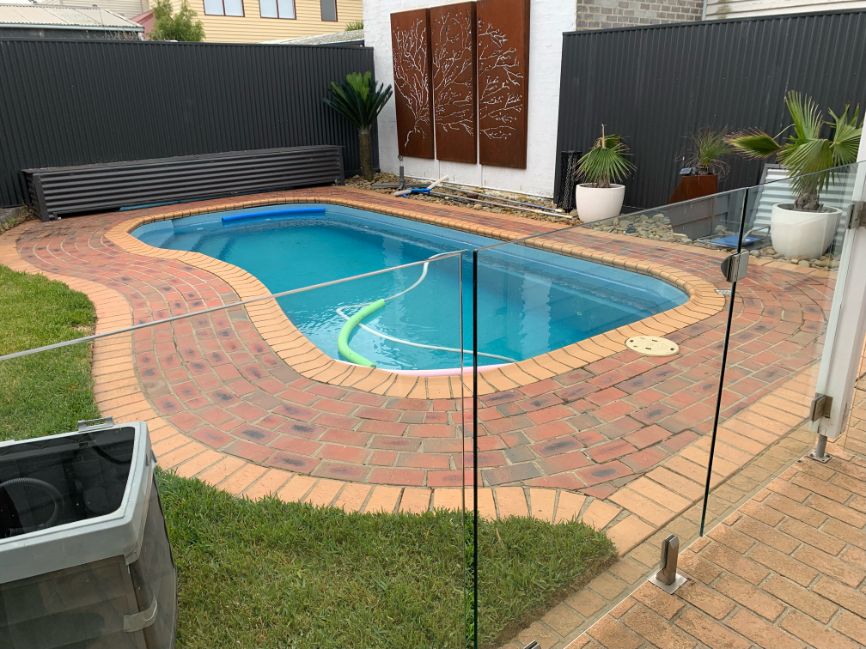
- Concrete driveways and paths. Removes dirt, algae, moss and general grime.
- Garage floors. Lifts surface dirt and light oil marks before any further work.
- Patios, pavers and entertaining areas. Brings colour back when done at the right pressure.
- Exterior walls, fences and bins areas. Clears cobwebs, dust and weather staining.
- Commercial forecourts and loading areas. Keeps busy sites looking clean and safer underfoot.
What Can Go Wrong
The water is not the problem. The pressure and the way it is used is.
- Zebra stripes. Holding the nozzle too close or moving unevenly leaves clean and dirty lines in the concrete.
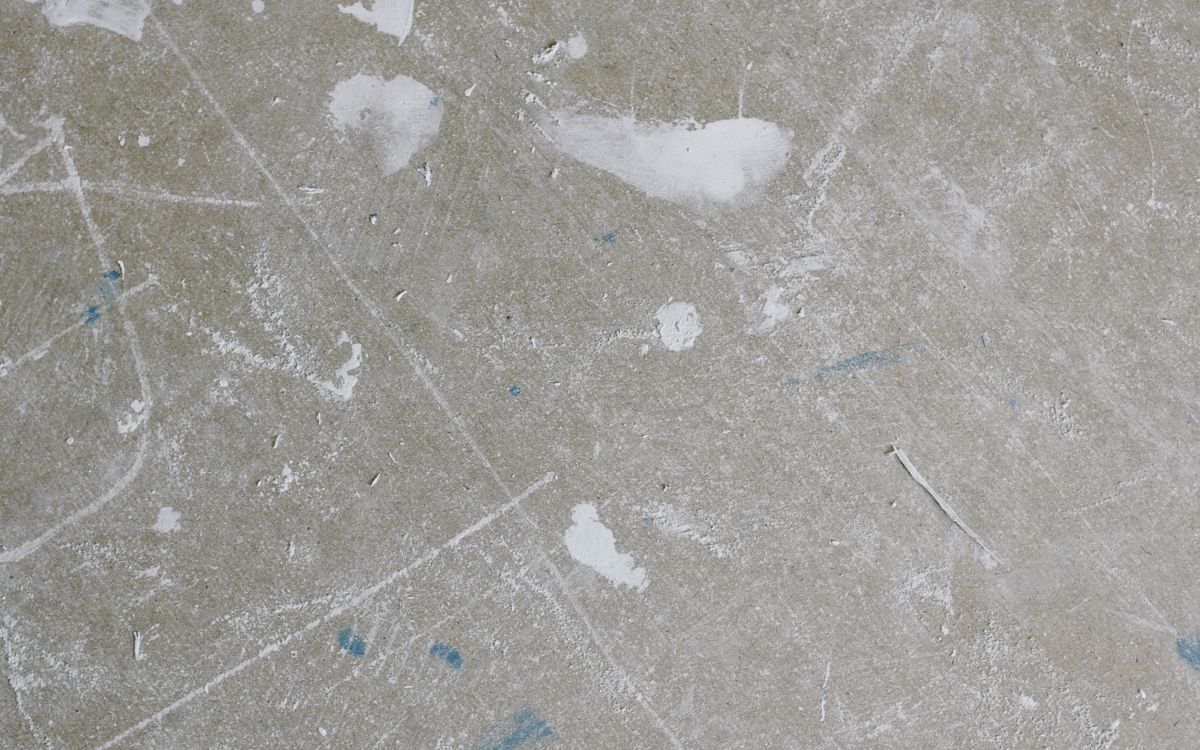
- Etched, rough surfaces. Too much pressure strips the top layer of the slab. A rough surface holds dirt faster and is harder to keep clean.
- Damaged joints and pavers. Blasting out the sand between pavers lets weeds and movement in.
- Stripped sealer or paint. A wash can peel a sealer or coating that was still doing its job.
- Water where it should not be. Pushed into cracks, under garage doors or into wall cavities.
DIY or Professional?
| Situation | Better choice |
|---|---|
| Small path or step, light dirt | DIY, with care |
| Large driveway with deep staining | Professional |
| Old sealer or coating you want to keep | Professional |
| Surface to be sealed, coated or painted next | Professional |
| Commercial or high-traffic site | Professional |
Why a Proper Clean Matters Before Sealing or Coating
If you plan to seal a driveway or coat a garage floor, the clean is not a nice extra. It is the first step of the job. Oil, algae and dirt sitting in the surface stop a sealer or coating from bonding. That is how floors end up peeling a few months later.
If your floor needs more than a wash, grinding is the next step. See why grinding comes first, or read about why epoxy floors peel when prep is skipped.

Before You Book or Start: A Quick Checklist
- Know your surface. Plain concrete, exposed aggregate, pavers and painted surfaces all need different pressure.
- Check for old sealer or coating. If it is in good condition, a gentle clean is better than a hard blast.
- Look for cracks and loose areas. Water and pressure make them worse.
- Move cars, mats and furniture. Clear the area before you start.
- Think about runoff. Keep detergents out of stormwater drains where you can.
- Plan the next step. If you want a sealed or coated finish, tell your contractor up front.
Our Approach
We use commercial-grade, bio-degradable cleaners that are safe for children and pets, and we match the pressure to the surface. Our pressure washing service covers driveways, paths, patios and exteriors across Geelong and the Bellarine. If the surface needs restoring afterwards, see our driveway restoration options.
Frequently Asked Questions
Will pressure washing damage my concrete?
It can if the pressure is too high or the nozzle is too close. Done properly, it cleans without harming the surface.
Can pressure washing remove oil stains?
It lifts surface oil. Oil that has soaked deep into the slab often needs more than a wash.
How often should I pressure wash my driveway?
It depends on shade, trees and traffic. Shaded, damp areas tend to grow moss and algae faster and need more regular attention.
Should I seal after pressure washing?
Often yes. A clean, dry surface is the best starting point for a sealer or coating, and it helps keep the surface cleaner for longer.
Do you service the Bellarine as well as Geelong?
Yes. We service Geelong and the Bellarine.
Want Your Concrete Looking Like New?
Tell us what you have and Joe will give you straight advice on whether a clean is enough, or whether sealing or coating makes more sense.
Your quote request has been received.
Our team will get back to you shortly.