
Quick answer: Concrete polishing works best on a solid, flat slab that is in good condition and stays dry. If your concrete is cracked, patched, oil-stained or will get wet, a coating usually gives a better result and covers the flaws that polishing would show off. The only way to know for sure is to have the slab looked at in person.
Search “concrete polishing Geelong” and you will find plenty of glossy photos, and very little honest advice about whether polishing suits your floor. Most of the time the answer depends on one thing: what is already in your slab.
What Is Concrete Polishing?
Polished concrete is not a coating. Nothing is painted or rolled on top. Your existing slab is ground back with diamond tooling, then worked through finer and finer grits until the surface is smooth and reflective. A densifier is usually applied along the way to harden the surface, and a protective sealer can finish the job.
That means the floor you get is the slab you already have. The level of shine can range from a soft matt to a high gloss, and the amount of grinding decides how much of the stone and sand shows through.
Polishing vs Coating: The Honest Comparison
| Factor | Polished Concrete | Epoxy or Flake Coating |
|---|---|---|
| What you get | Your own slab, ground and polished | A new surface bonded to the slab |
| Hides cracks, patches and stains | No, they show through | Yes, once prepared properly |
| Colour choice | Limited to the natural concrete tones | Wide range of colours and flake blends |
| Grip when wet | Can be slippery | Better, especially with flake or anti-slip additive |
| Needs recoating | No coating to wear off | Topcoat may need refreshing over time |
| Depends heavily on slab condition | Yes, completely | Less so, but prep still matters |
When Polishing Is a Good Idea
- The slab is sound and flat. No major cracking, no soft or crumbling areas, no big repairs.
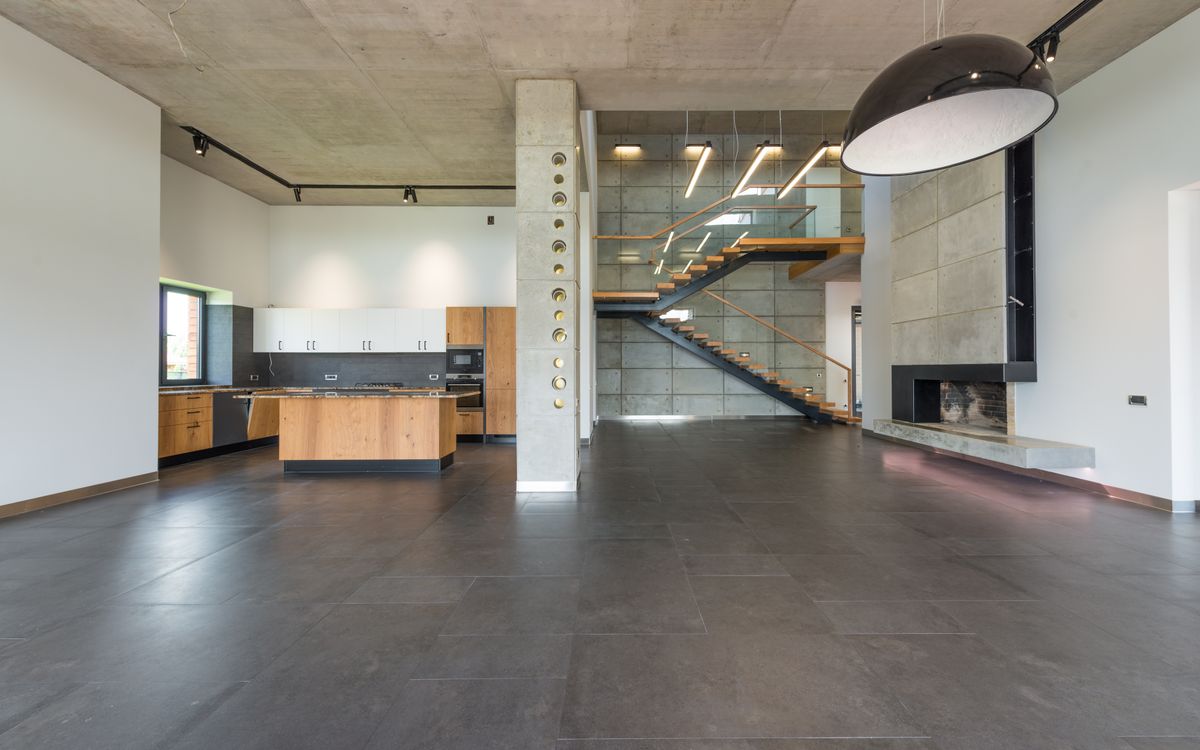
- You like the industrial look. Polished concrete suits showrooms, offices, open-plan living areas and some retail spaces.
- The area stays dry. Interior spaces with little water exposure are the safest fit.
- You do not want a coating layer. Some people prefer a floor with nothing sitting on top of it.
When You Are Better Off Coating
- The concrete is cracked, patched or uneven. Polishing exposes every repair. A coating hides them.
- There is oil, grease or deep staining. Stains that have soaked into the slab can stay visible after grinding.
- It is a garage or workshop. Tyres, chemicals and tools are easier on a coating with some texture underfoot.
- Grip matters. Wet areas, ramps and food prep spaces need slip resistance, which a high-gloss polished floor may not give you.
- You want colour. Polishing cannot add a colour the slab does not already have.
Want to see every coating option side by side? Our guide to concrete coatings in Geelong covers epoxy, flake, metallic and UV-stable systems.
Check Your Slab Before You Decide
You can do a quick check yourself before calling anyone:
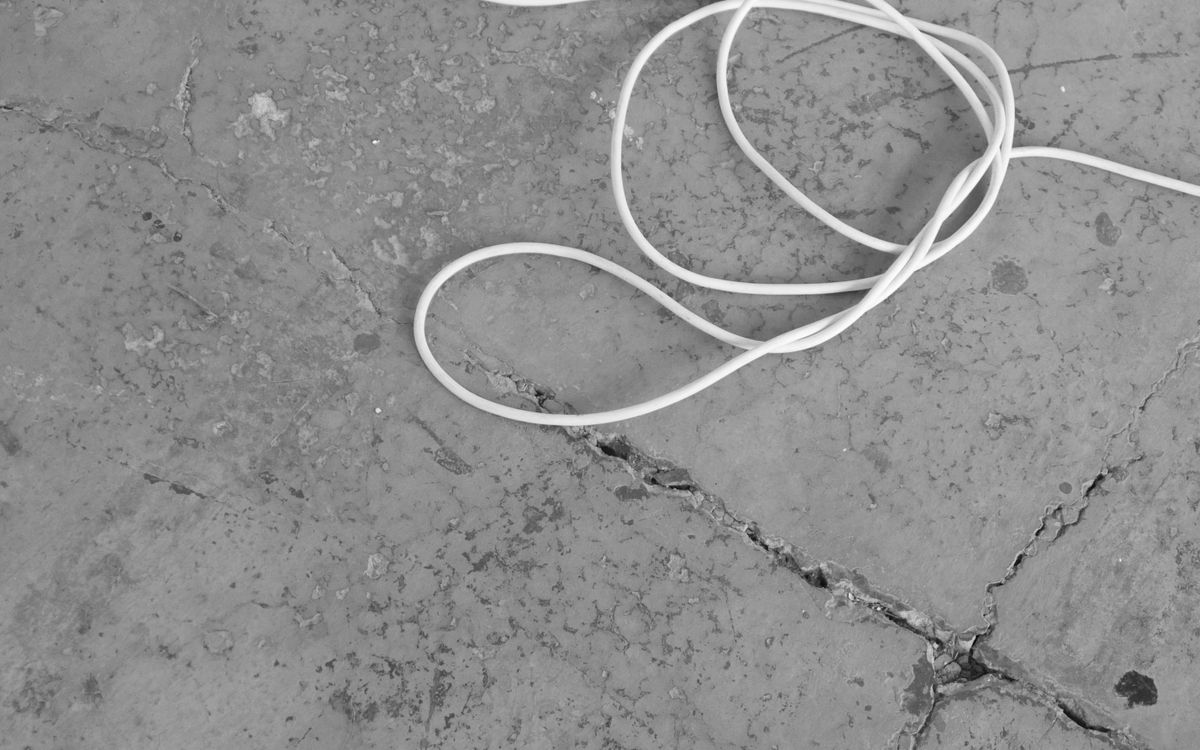
- Look for cracks. Hairline cracks are common. Wide or uneven cracks are a warning sign.
- Look for patches. Different coloured or textured sections mean past repairs that will show after polishing.
- Check for old coatings. Paint, sealers and previous epoxy have to be ground off first, which adds work.
- Splash a little water. If it soaks in quickly and darkens the surface, the slab is porous. If it beads, there is probably a sealer or coating on it.
- Look for oil spots. Dark patches in a garage are usually oil that has soaked in.
Grinding Is the Step Both Options Share
Whether you polish or coat, the slab has to be ground first. For polishing, grinding is the whole job. For epoxy and flake coatings, it opens up the surface so the coating can bond properly. That is why prep is the difference between a floor that lasts and one that peels.

If you are not sure whether your surface needs grinding, read 7 signs your concrete surface needs grinding, or see our concrete grinding service and grinding cost guide.
What Does It Cost?
There is no honest flat price, because the cost depends on the size of the area, the condition of the slab, how much grinding it needs and the finish you want. A smooth, sound slab costs far less to work on than one with old coatings and patches. The fastest way to get a real number is a quick on-site look.
Frequently Asked Questions
Can any concrete floor be polished?
Not every floor suits it. Slabs with heavy cracking, deep stains or lots of patching often give a better result with a coating.
Is polished concrete slippery?
It can be, especially when wet and at higher gloss levels. For wet or high-traffic areas, a textured coating is usually the safer choice.
Is polished concrete the same as epoxy?
No. Polished concrete is the slab itself, ground and polished. Epoxy is a coating applied on top of the slab.
Do I need to grind the concrete before epoxy?
Yes. Proper grinding is the base of any lasting coating. See why grinding comes first.
How do I choose between polishing, epoxy and flake?
Start with the condition of your slab and how the space is used. Our guides on flake vs epoxy vs polished concrete and epoxy vs tiles vs polished concrete go through the options in detail.
Not Sure Whether to Polish or Coat?
Joe can look at your slab in person and tell you straight whether polishing, grinding or a coating makes the most sense for your space. Send us a few details and we will get back to you.
Get a Free On-Site Assessment
Straight advice on your slab from Joe, no pressure.
Your quote request has been received.
Our team will get back to you shortly.